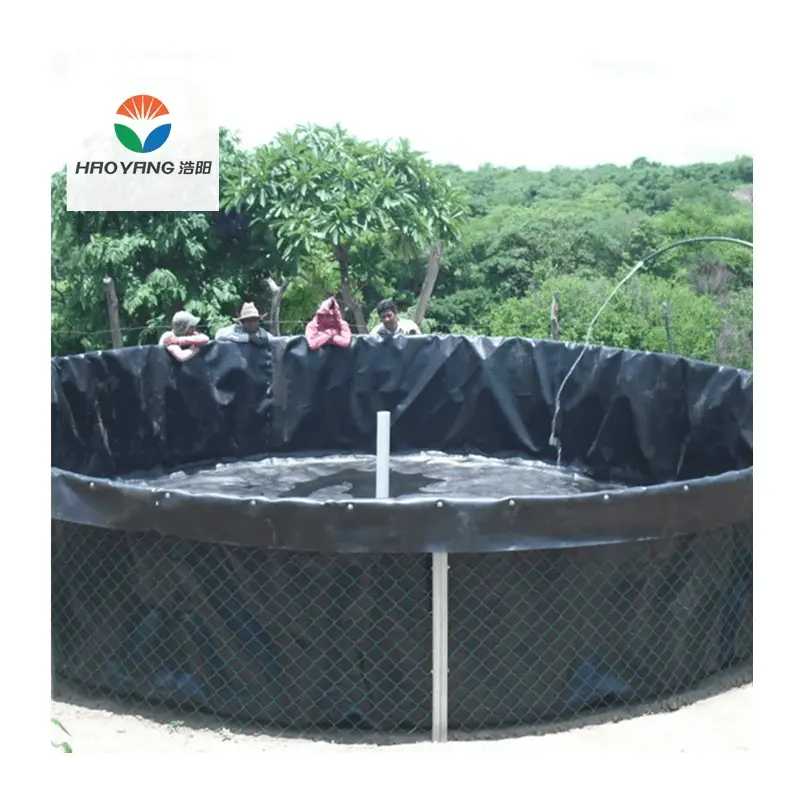
1.0mm Fish & Shrimp Farming Irrigation Damliner: A Comprehensive Guide to High-Performance Aquaculture Liners
Introduction
Aquaculture is a critical sector for global food security, with shrimp and fish farming contributing significantly to protein supply. However, water management challenges—such as seepage, contamination, and seasonal droughts—threaten productivity. A 1.0mm HDPE (High-Density Polyethylene) damliner emerges as a game-changing solution, offering impermeability, durability, and environmental safety. This article explores the technical specifications, applications, and benefits of 1.0mm damliners in aquaculture irrigation systems.
Technical Specifications of 1.0mm HDPE Damliners
Material Properties
1.0mm HDPE geomembranes are manufactured from virgin polyethylene resin, ensuring uniform thickness and tensile strength. Key properties include:
Thickness: 1.0mm ± 5% (ISO 9864 compliance).
Tensile Strength: ≥27 MPa (ASTM D6693).
Elongation at Break: ≥700% (ASTM D6693).
UV Resistance: Stabilized with carbon black (≥2–3% by weight) to resist degradation under prolonged sunlight exposure.
Chemical Resistance: Impermeable to salts, acids, and organic compounds, preventing soil and water contamination.
Physical Dimensions
Standard rolls are available in widths of 6–8 meters and lengths of 50–100 meters, facilitating large-scale pond installations. Custom sizes are also offered to accommodate irregular terrain or modular pond designs.
Certifications & Standards
Reputable manufacturers comply with international standards such as:
ISO 9001:2015: Quality management systems.
ISO 14001:2015: Environmental management systems.
ASTM D4439: Geosynthetic terminology and testing protocols.
Applications in Aquaculture Irrigation
1. Shrimp Pond Liners
Intensive shrimp farming requires precise water retention to maintain salinity and temperature. A 1.0mm HDPE liner prevents seepage, reducing water loss by up to 95% compared to unlined ponds. For example, a 2022 study in Southeast Asia demonstrated that lined ponds required 30% less water replenishment during dry seasons, cutting operational costs by 18%.
Table 1: Water Retention Efficiency in Shrimp Ponds
| Parameter | Unlined Pond | Lined Pond (1.0mm HDPE) |
|---|---|---|
| Daily Seepage Rate | 5–8% | 0.2–0.5% |
| Water Replenishment (L/day) | 1,200 | 850 |
| Annual Cost Savings | — | $2,400 (per hectare) |
2. Fish Hatchery Reservoirs
Fish larvae are sensitive to water quality fluctuations. HDPE liners create a sterile environment by blocking soil pathogens and heavy metals. A 2023 trial in a tilapia hatchery reported a 40% increase in survival rates after lining reservoirs, attributed to reduced ammonia buildup from seepage-induced soil interaction.
3. Recirculating Aquaculture Systems (RAS)
In closed-loop RAS setups, liners prevent cross-contamination between tanks and groundwater. A 1.0mm HDPE membrane’s puncture resistance (≥500 N puncture force) ensures longevity even under mechanical stress from equipment.
Advantages Over Alternative Materials
1. Cost-Effectiveness
While PVC liners are cheaper initially, HDPE’s 50+ year lifespan reduces long-term replacement costs. A 2021 lifecycle analysis showed HDPE liners cost 0.30–0.45 for PVC.
2. Environmental Safety
HDPE is inert and recyclable, minimizing microplastic pollution. In contrast, PVC liners may leach phthalates, posing risks to aquatic life.
3. Ease of Installation
HDPE’s flexibility allows it to conform to pond contours without wrinkles, reducing installation time by 30% compared to rigid materials like concrete.
Table 2: Comparative Analysis of Damliner Materials
| Parameter | HDPE (1.0mm) | PVC (1.0mm) | Concrete |
|---|---|---|---|
| Lifespan (years) | 50+ | 15–20 | 30–40 |
| UV Resistance | Excellent | Fair | Poor |
| Chemical Stability | High | Moderate | High |
| Installation Cost | Medium | Low | High |
Case Study: Indonesia Shrimp Farm Modernization
A 10-hectare shrimp farm in East Java replaced its clay-lined ponds with 1.0mm HDPE liners in 2023. Results included:
Water Savings: 12 million liters annually.
Yield Increase: 25% higher survival rates due to stable salinity.
ROI: Recouped liner costs within 18 months through reduced water and feed expenses.
Conclusion
The 1.0mm HDPE damliner is a transformative tool for sustainable aquaculture, addressing water scarcity, cost efficiency, and environmental concerns. Its technical robustness, coupled with ISO-certified quality, makes it ideal for global shrimp and fish farming operations. By adopting this solution, farmers can enhance productivity while adhering to eco-friendly practices.
 0.5 Double-sided smooth HDPE geomembrane.pdf
897.webp)
942.webp)
237.webp)