GM13 45 Mil For Farming Pond Liner
Discover the benefits of GM13 45 Mil pond liners for farming. Made from HDPE or EPDM, these durable, UV-resistant liners prevent water seepage in aquaculture ponds, irrigation reservoirs, and livestock lagoons. Compare technical specs, costs, and installation tips to choose the right solution for your project.
GM13 45 Mil For Farming Pond Liner: A Comprehensive Guide to Durable Aquaculture Solutions
Introduction
Farming pond liners are critical infrastructure for modern aquaculture, irrigation systems, and water conservation projects. Among the myriad options available, GM13-compliant 45 Mil pond liners stand out for their durability, chemical resistance, and cost-effectiveness. This guide explores the technical specifications, applications, and comparative advantages of these liners, supported by real-world data and industry insights.
What Is a GM13 45 Mil Pond Liner?
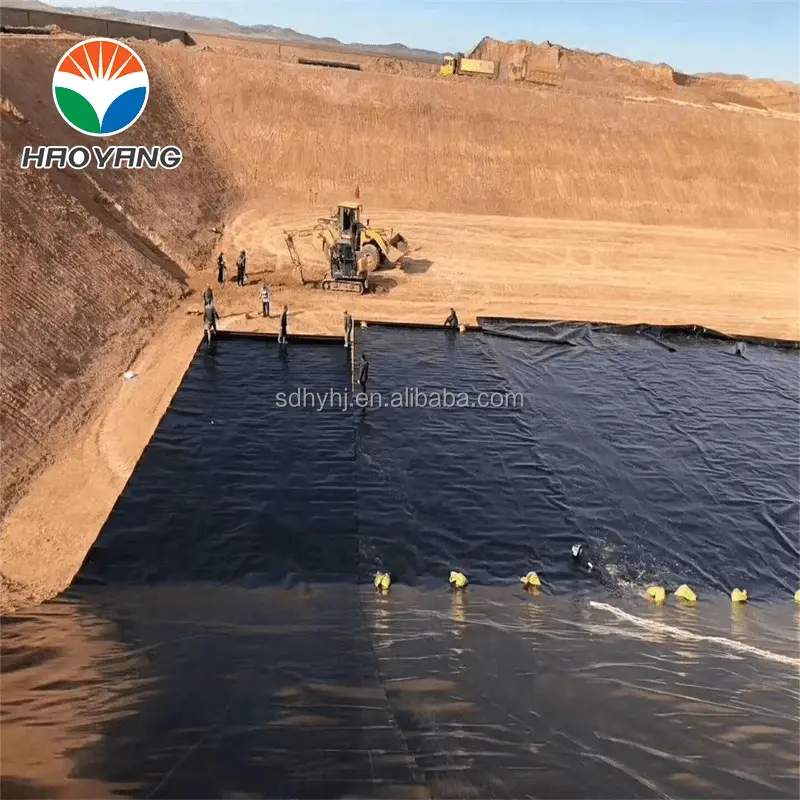
A GM13 45 Mil pond liner refers to a geomembrane sheet manufactured to meet the ASTM GM13 standard, with a thickness of 45 mils (1.14 mm). These liners are typically made from high-density polyethylene (HDPE) or ethylene propylene diene monomer (EPDM), both materials engineered for long-term water retention and environmental protection.
Key Specifications:
Thickness: 45 mils (1.14 mm) – balances flexibility and puncture resistance.
Material Options:
HDPE: Rigid, UV-resistant, and chemically inert.
EPDM: Highly flexible, weatherproof, and fish-safe.
Compliance: ASTM GM13 ensures quality in tensile strength, elongation, and tear resistance.
Applications in Farming
GM13 45 Mil liners are versatile, serving multiple agricultural and environmental purposes:
1. Aquaculture Ponds
Shrimp/Fish Farming: HDPE liners prevent water seepage in saline or freshwater ponds, maintaining optimal salinity levels.
Case Study: A shrimp farm in Southeast Asia reported a 30% reduction in water replacement costs after switching to GM13 HDPE liners.
2. Irrigation Reservoirs
Water Conservation: EPDM liners retain irrigation water in arid regions, reducing drought-related crop losses.
Data: Farms using 45 Mil EPDM liners saw a 20% increase in water efficiency compared to unlined ponds.
3. Livestock Waste Management
Manure Lagoons: HDPE liners contain nitrogen-rich runoff, preventing groundwater contamination.
Regulatory Compliance: GM13 standards meet EPA guidelines for agricultural waste containment.
Technical Comparison: HDPE vs. EPDM
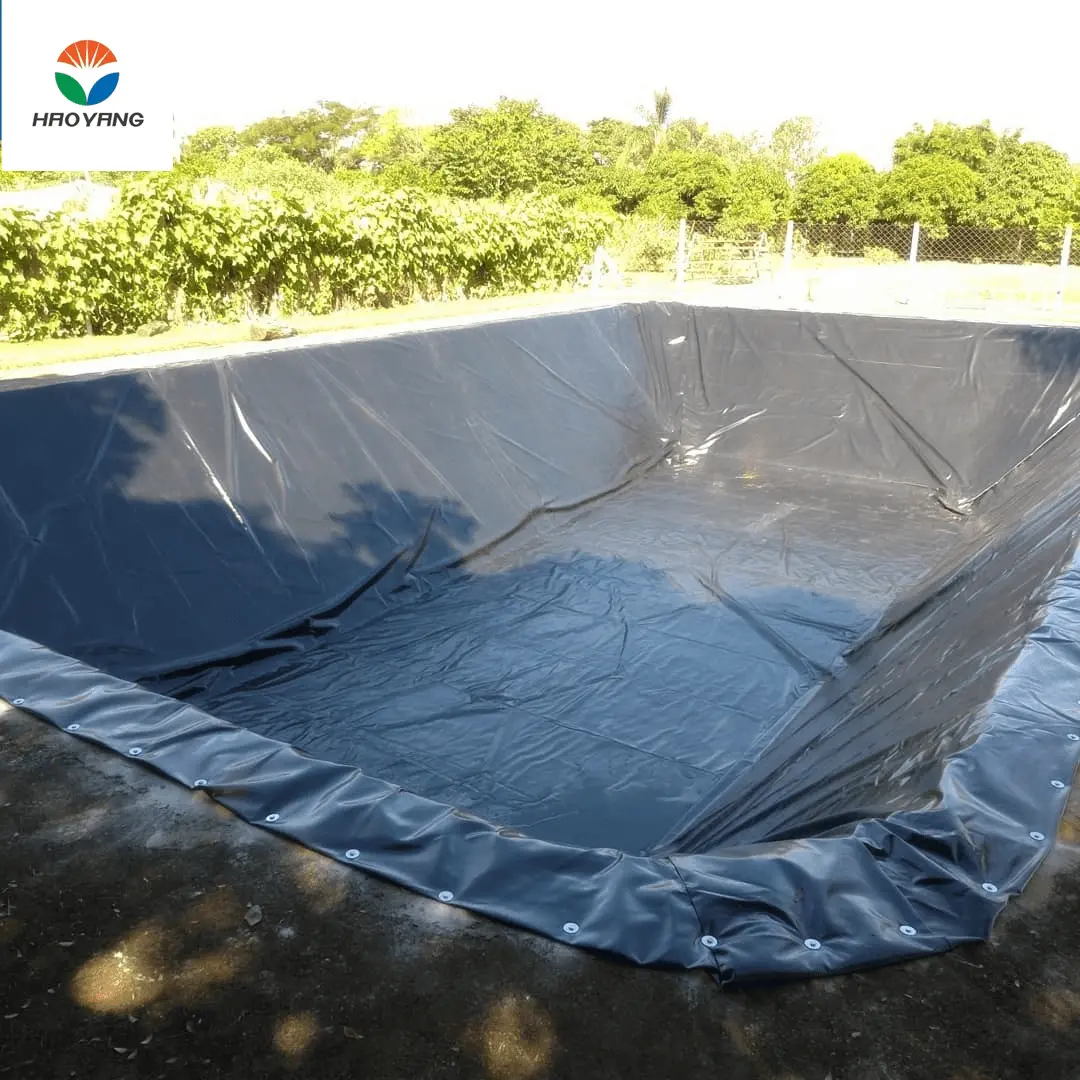
The choice between HDPE and EPDM depends on project-specific needs. Below is a detailed comparison:
Table 1: Material Property Comparison
| Property | HDPE 45 Mil | EPDM 45 Mil |
|---|---|---|
| Tensile Strength | 22–37 kN/m (ASTM D6693) | 11–15 kN/m (ASTM D412) |
| Elongation at Break | 700% (ASTM D638) | 300% (ASTM D412) |
| Puncture Resistance | 640–800 N (ASTM D4833) | 240–320 N (ASTM D4833) |
| UV Resistance | 400-min OIT (ASTM D5885) | 100-min OIT (ASTM D3895) |
| Chemical Resistance | Excellent (acids, salts) | Good (moderate chemicals) |
| Flexibility | Low (rigid) | High (bends easily) |
Table 2: Cost and Lifespan Analysis
| Factor | HDPE 45 Mil | EPDM 45 Mil |
|---|---|---|
| Material Cost (/sq.ft) | 1.25 | 1.50 |
| Installation Cost | Moderate (requires welding) | Low (easy to seam) |
| Lifespan | 20–30 years | 20–25 years |
| Warranty | 15–20 years | 20 years |
Advantages of GM13 45 Mil Liners
Durability: HDPE liners resist punctures, UV degradation, and chemical corrosion.
Flexibility: EPDM liners conform to irregular pond shapes without cracking.
Cost-Effectiveness: Long lifespans reduce replacement costs over time.
Environmental Safety: Both materials are non-toxic and recyclable.
Installation Best Practices
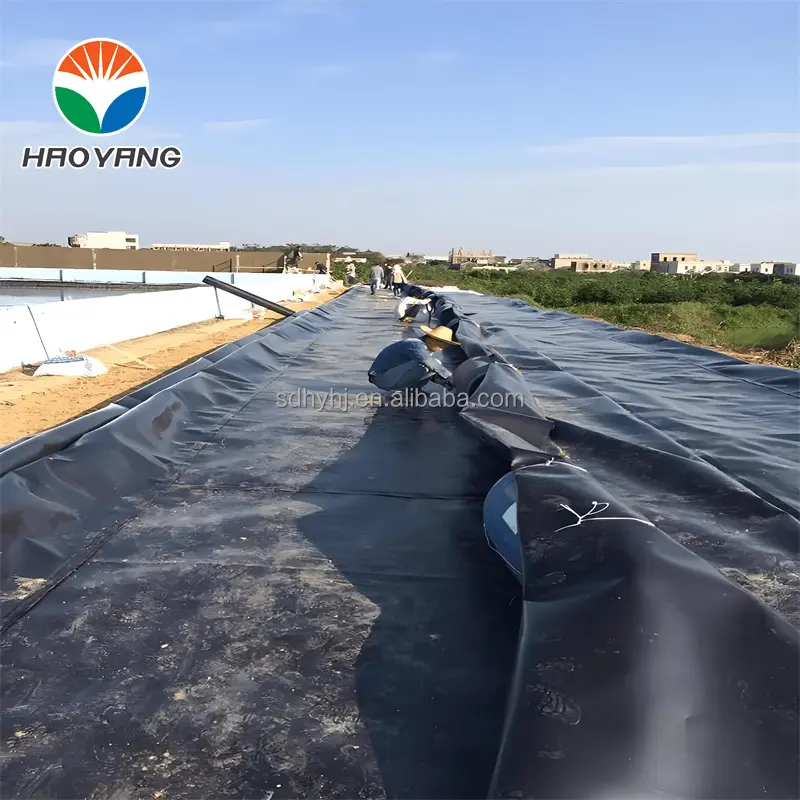
Site Preparation: Remove sharp objects and level the ground.
Seaming: Use thermal fusion for HDPE or adhesive seams for EPDM.
Anchoring: Secure edges with trench anchoring or ballast stones.
Quality Control: Conduct air pressure tests to detect leaks.
Conclusion
GM13 45 Mil pond liners offer a reliable, long-term solution for farming applications. Whether prioritizing puncture resistance (HDPE) or flexibility (EPDM), these liners meet stringent industry standards while optimizing water efficiency and cost savings. By selecting the right material and following best practices, farmers can safeguard their investments for decades.
 0.5 Double-sided smooth HDPE geomembrane.pdf